Coolblue · Inclusive design
Making accessibility an organisational habit
I co-led a company-wide initiative that moved accessibility from an isolated concern into product standards, system components and the daily workflow of 10 autonomous squads.
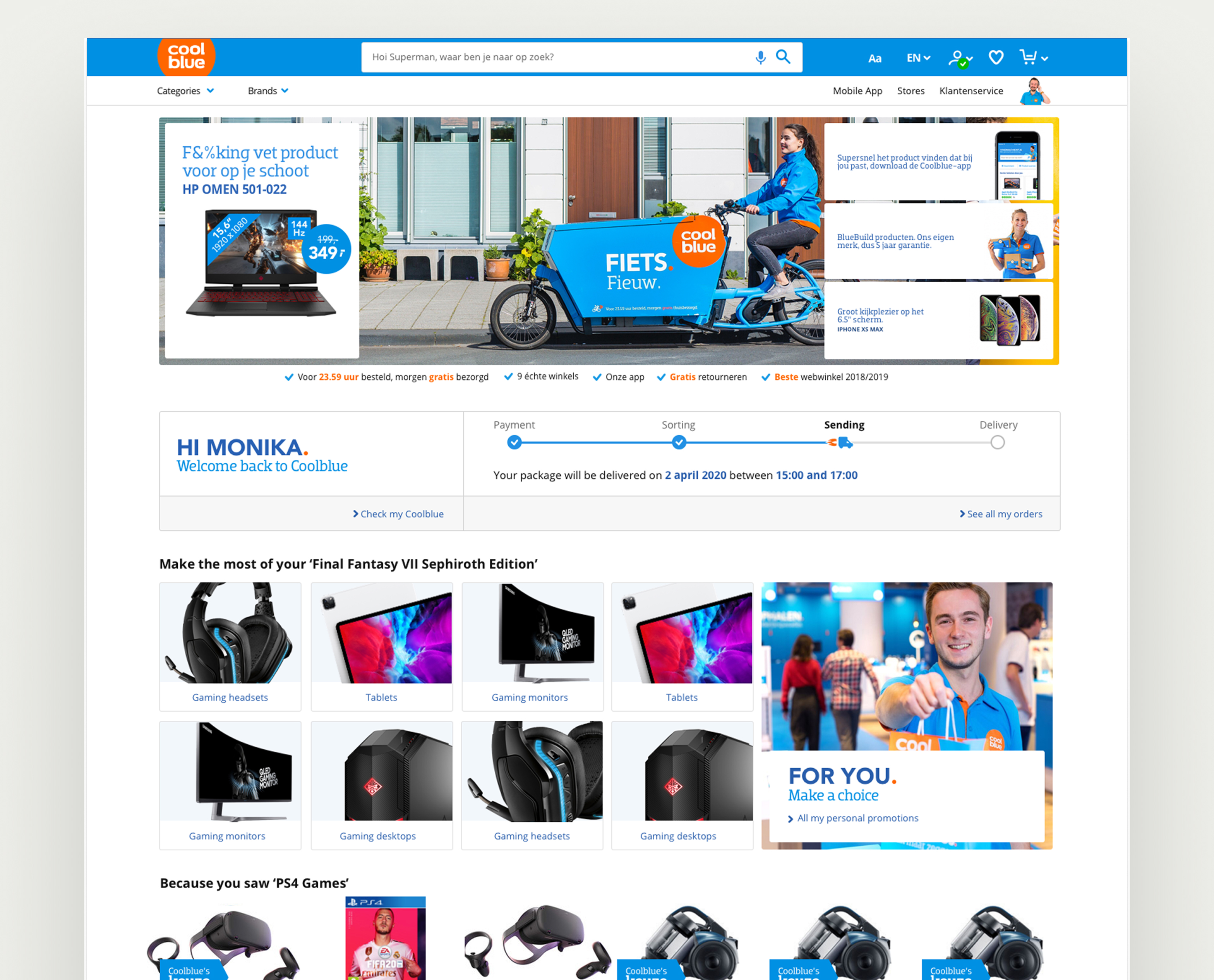
The platform and the process both needed to change
Accessibility had historically not been embedded in Coolblue’s core design process, creating gaps in how inclusive experiences were considered. The European Accessibility Act created urgency, but compliance alone would not create durable change.
The core problem was cultural. Designers worried that accessibility would constrain aesthetics and add process. Leaders questioned the investment and its direct return.
Our ambition
Reach WCAG 2.1 Level AA while embedding inclusive design into how teams define, design, build and validate everyday product work.
Earn design support by inspiring the stakeholders
I created a high-fidelity vision for coolblue.nl showing the possibilities accessibility could bring us, then used concrete before-and-after examples to show the product design organisation that accessibility and visual quality reinforce each other.
For business leaders, we used a different story: a comprehensive audit, a prioritised backlog on impact versus effort, and targeted small-group discussions focused on risk, brand values and implementation strategy. Tailoring the message turned broad resistance into specific, solvable concerns.
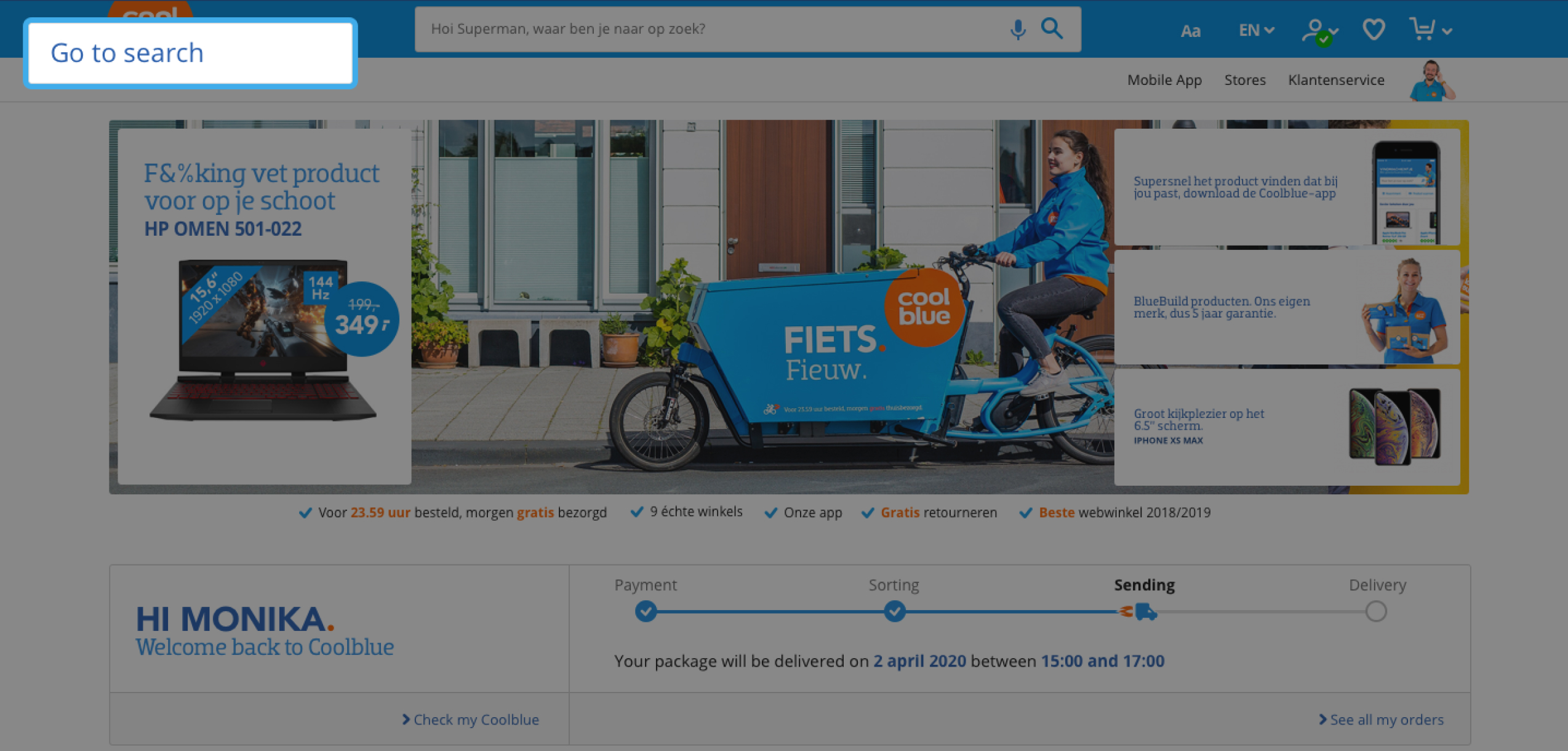
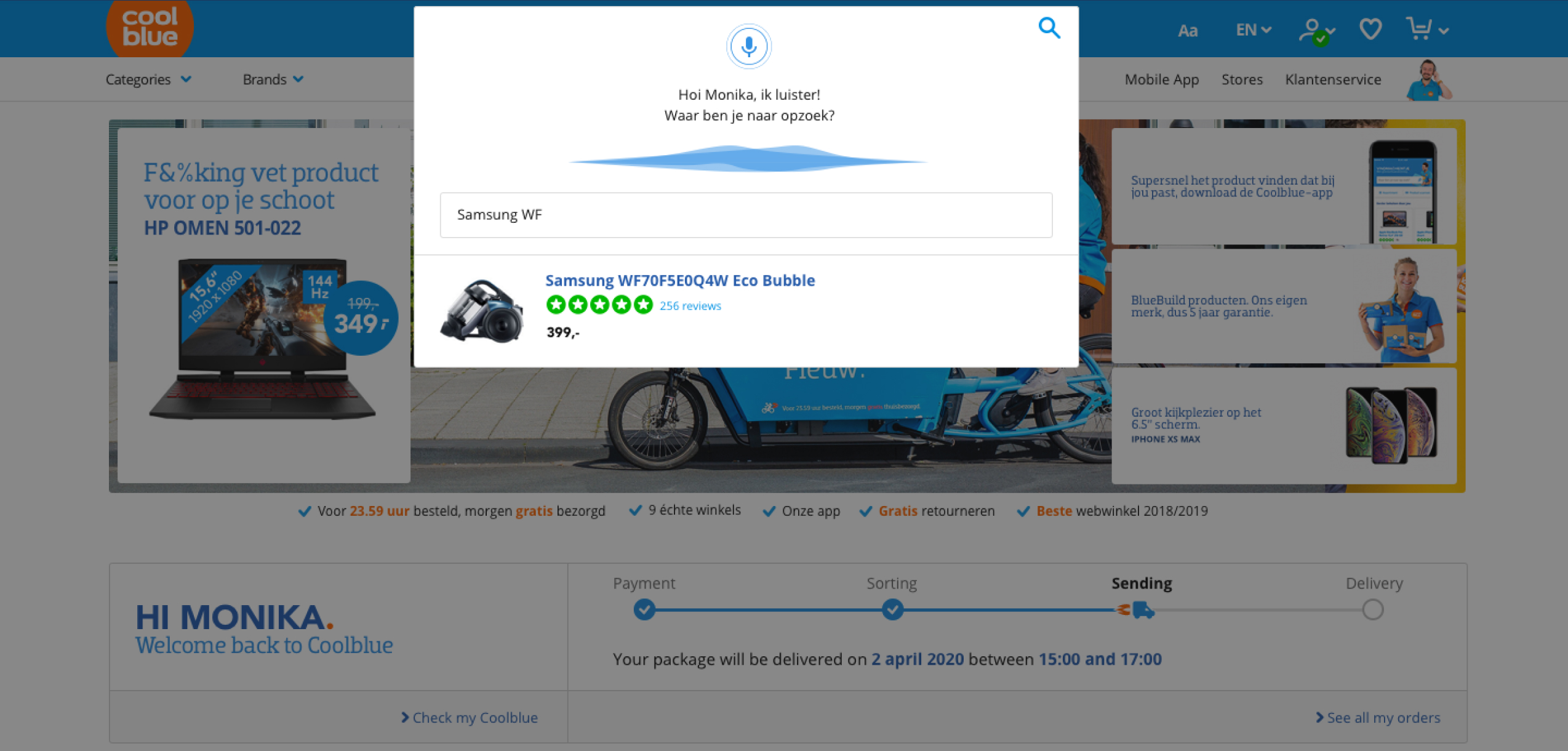
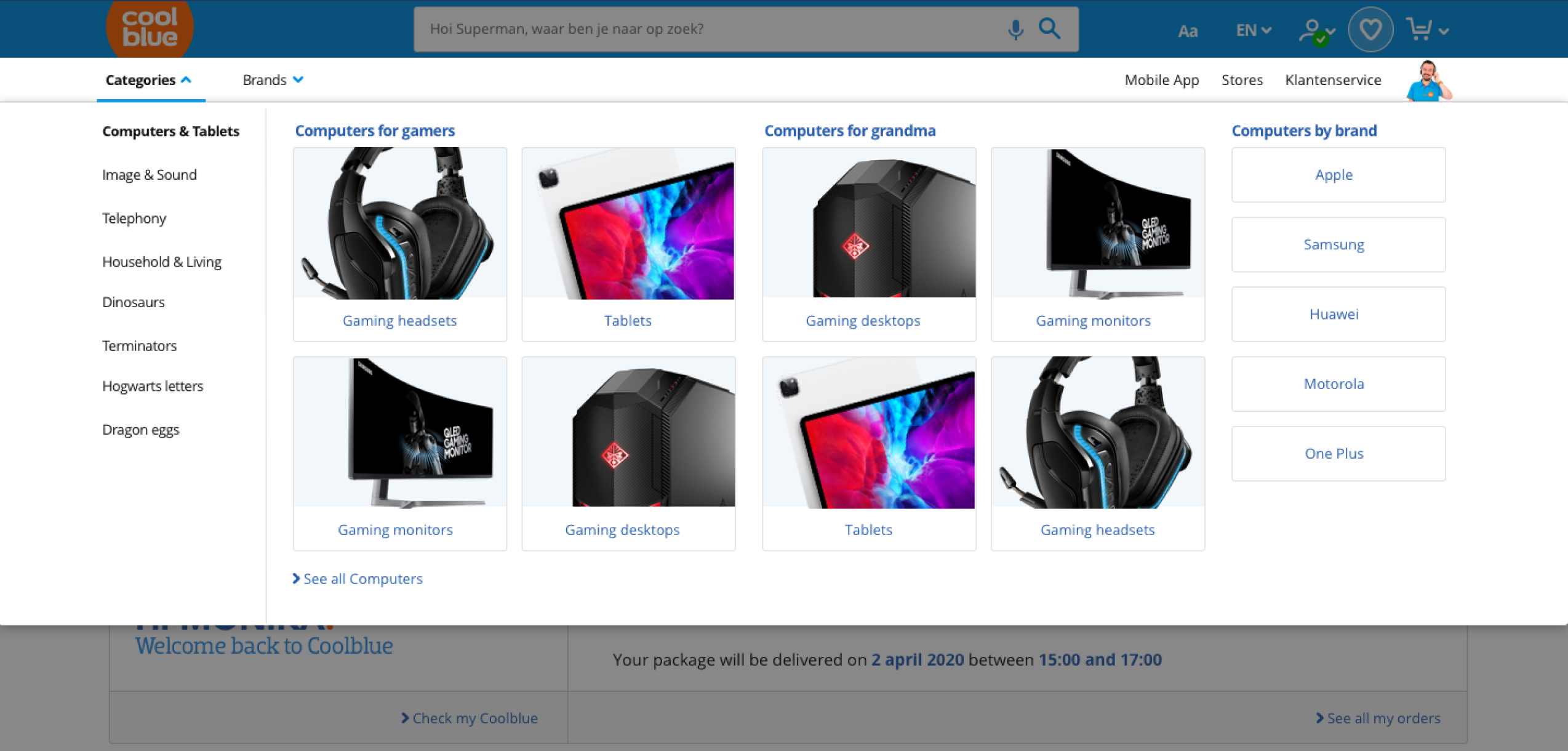
Build accessibility into the system
Once aligned, we established three connected mechanisms: a stronger design system, specialised user testing and a community responsible for keeping the practice visible.
Design system and engineering standards
We updated more than 30 core components with consistent interaction states, naming conventions and screen-reader rules.
Accessibility criteria became part of engineering principles and the official Definition of Done impacting more than 10 product squads.
Making inclusive research repeatable
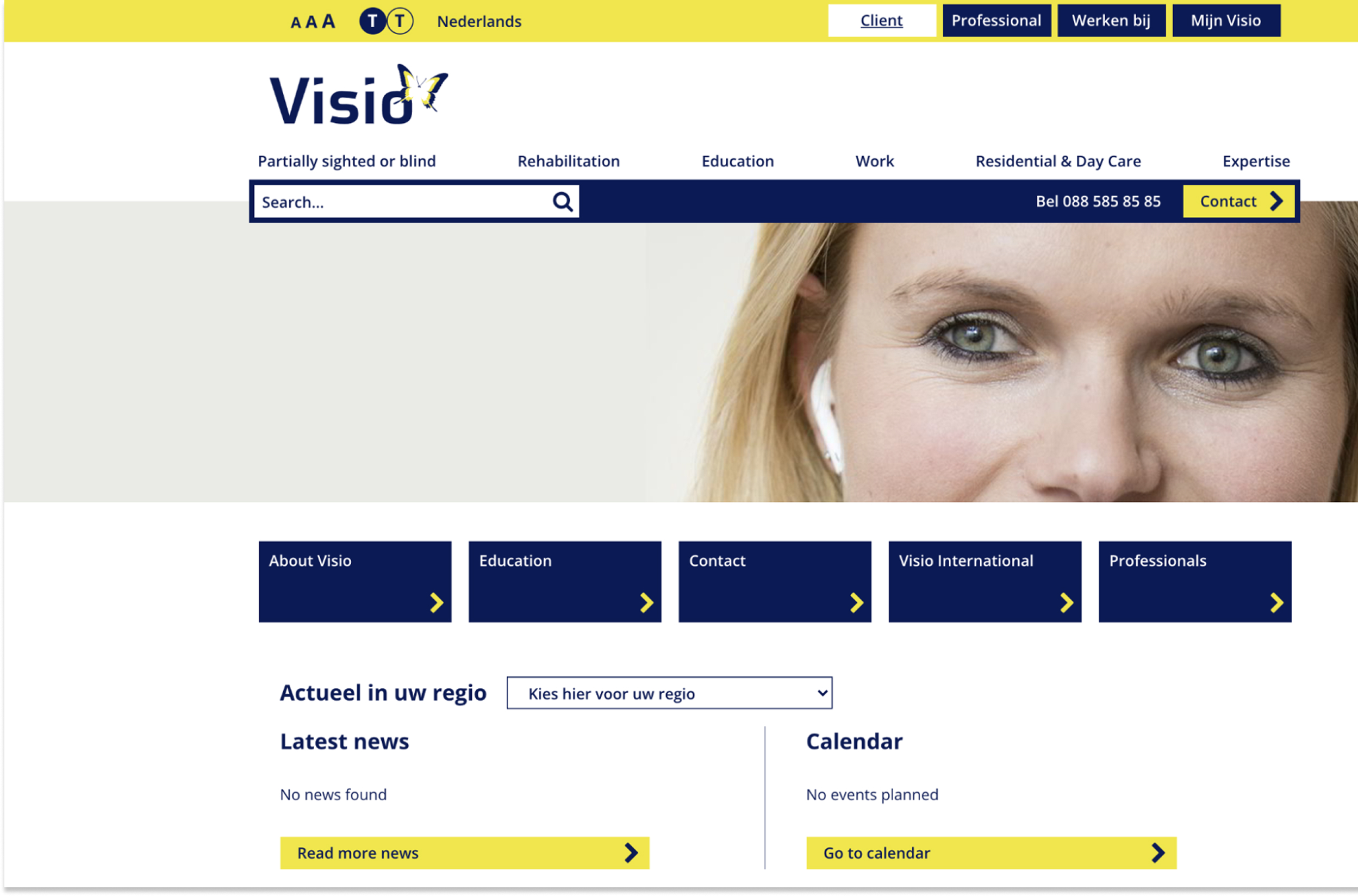
I led the partnership with Visio, a specialized organisation for individuals with visual impairments, to recruit people with visual impairments for remote usability testing. We set up the tests quarterly which gave each squad regular access to three to five sessions. I also implemented a self-service guide that helped teams work with screen readers and assistive software independently to set up the tests properly.
A guild to sustain the change
I founded a cross-functional accessibility guild with 12 advocates across design, engineering and leadership. Training, shared standards and quarterly reporting kept progress visible beyond the initial programme.
Selected technical & design improvements
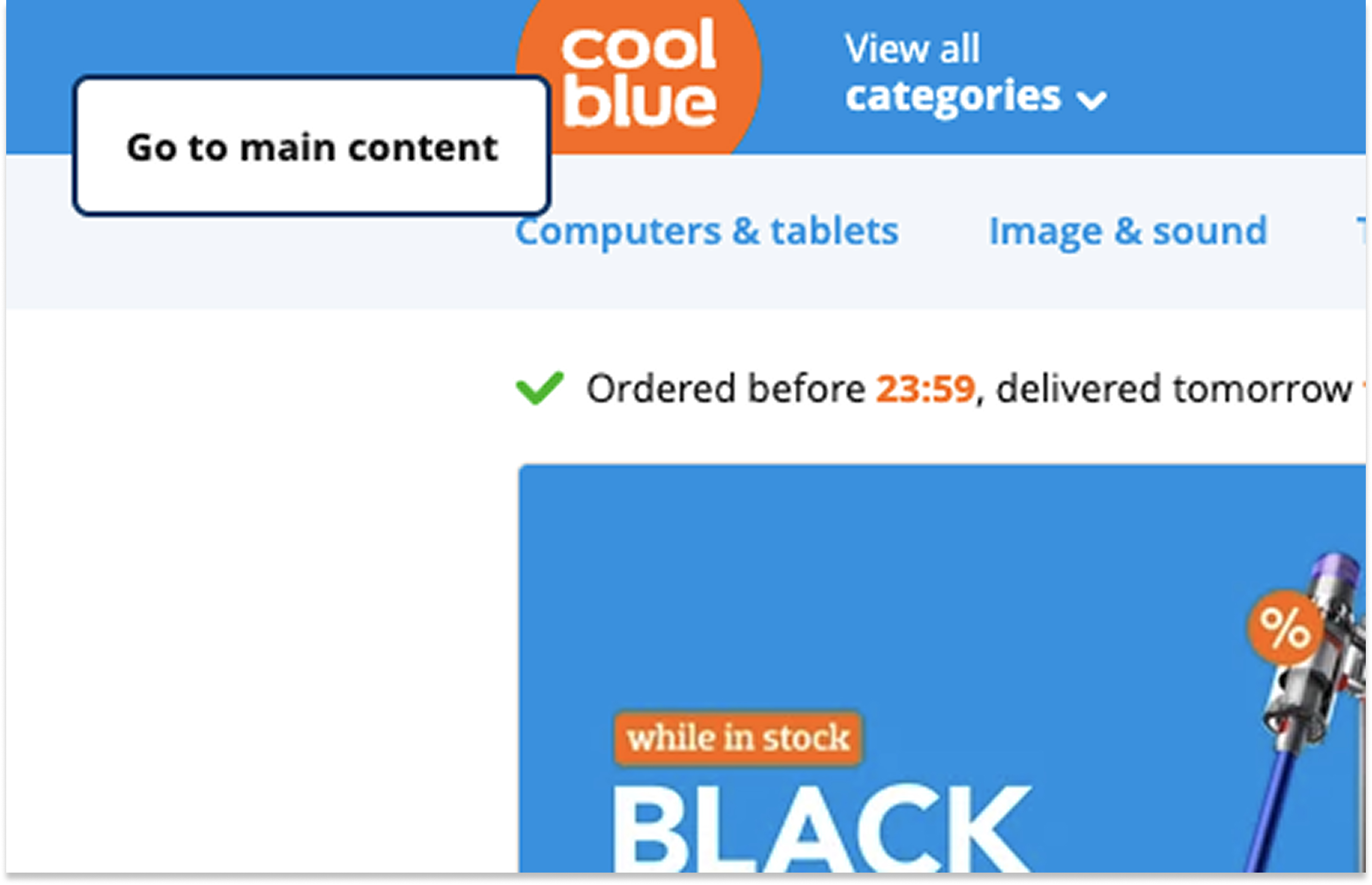
Navigation and focus
Redesigned key navigation and keyboard focus states to support full tab-navigation functionality
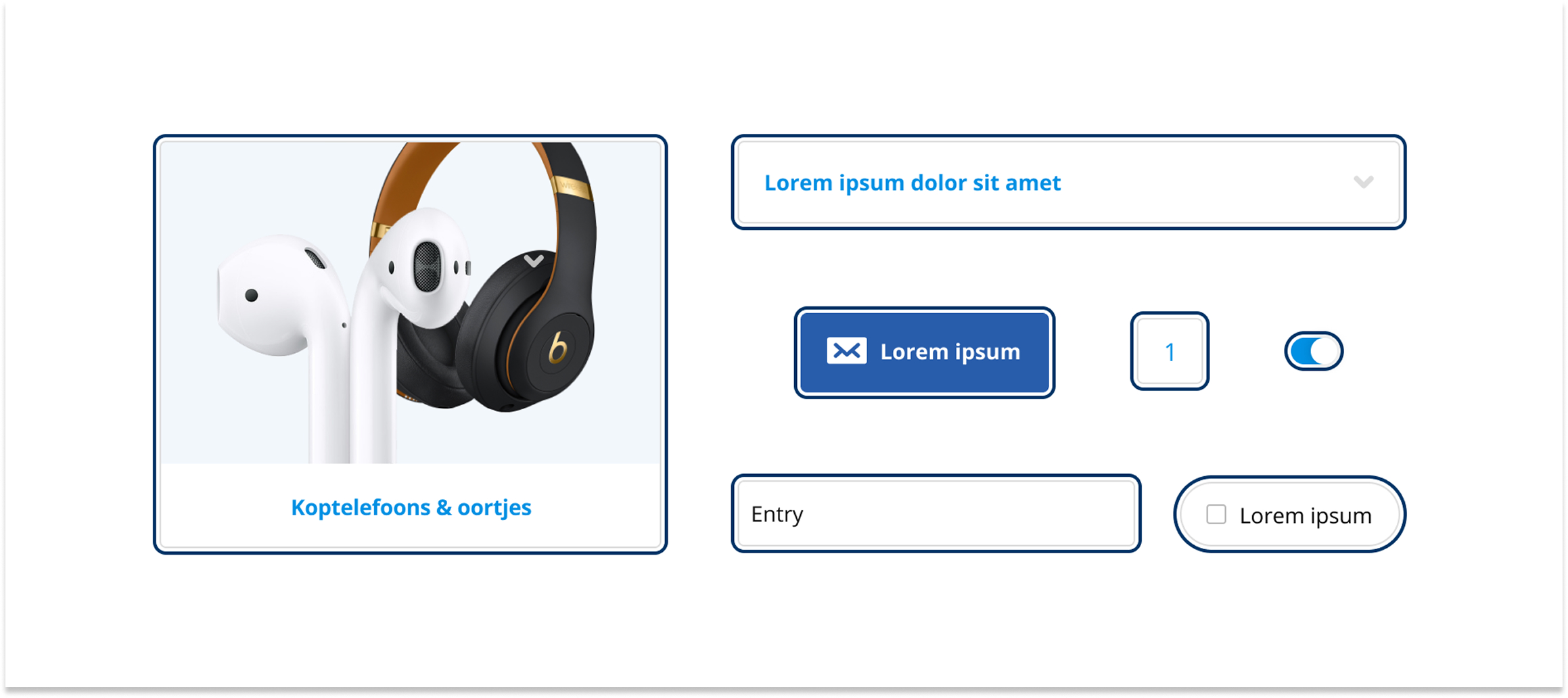
Form UX & hierarchy
Re-architected form structures, label associations, and heading hierarchies to improve screen-reader translation.
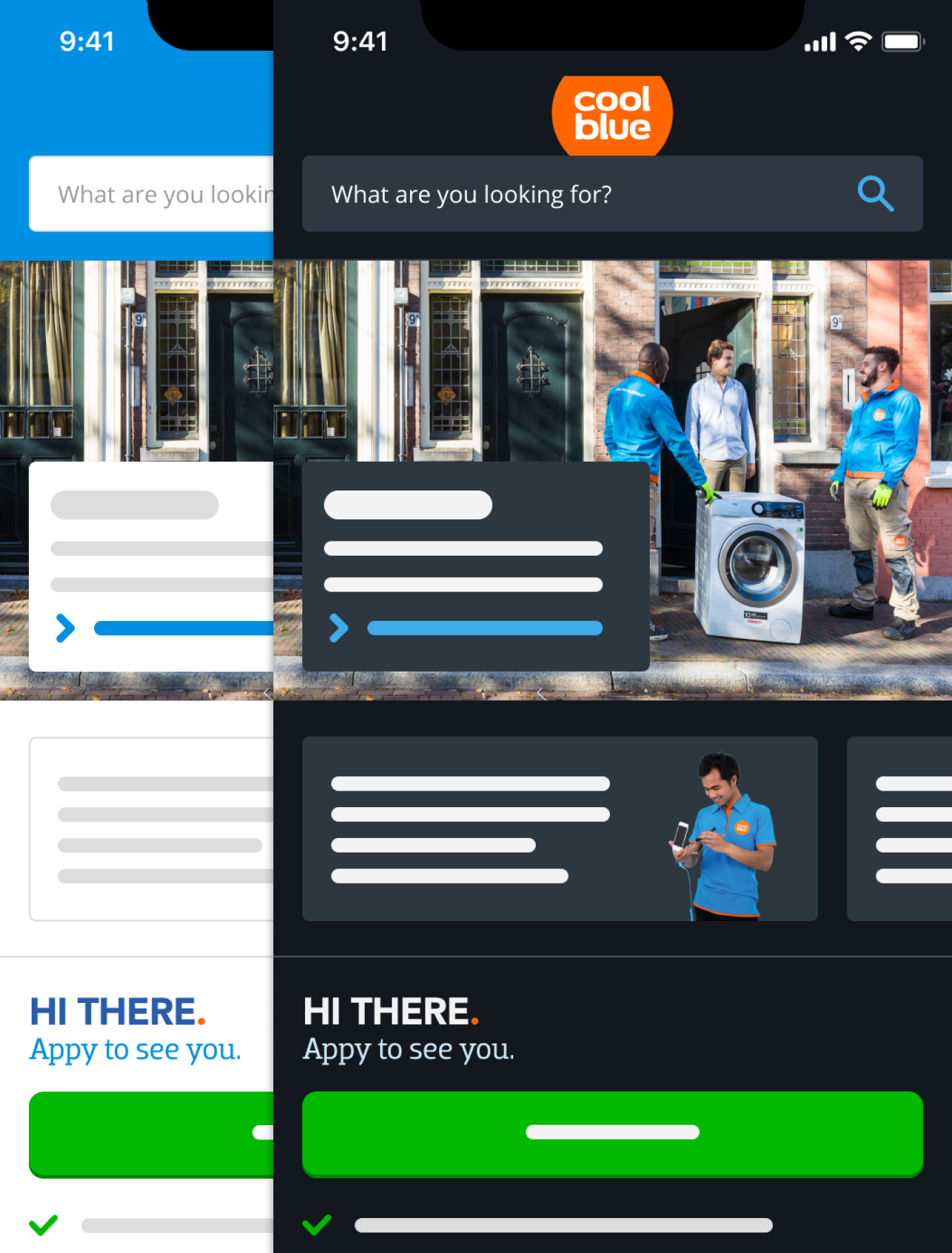
Contrast & modes
Optimized color contrast palettes and adapted dark mode themes for mobile applications.
Impact
We reached WCAG Level A in the first six months and embedded accessibility in the product lifecycle, enabling product teams to achieve WCAG Level AA ahead of the regulatory deadline.
Measured results
Learnings
Address technical debt early
Integrating accessibility standards in the development cycle prevents the accumulation of compound design & engineering debt.
Incremental steps
A clear design vision, combined with incremental operational wins and strong external partnerships effectively drives cultural adoption across large organizations.