Ladies that UX Amsterdam · Community leadership
Growing a design community that lasts
For six years, I led the Amsterdam chapter of Ladies that UX: shaping its direction, creating welcoming events and building a mentorship programme people kept waiting to join.
1. Set a clear direction
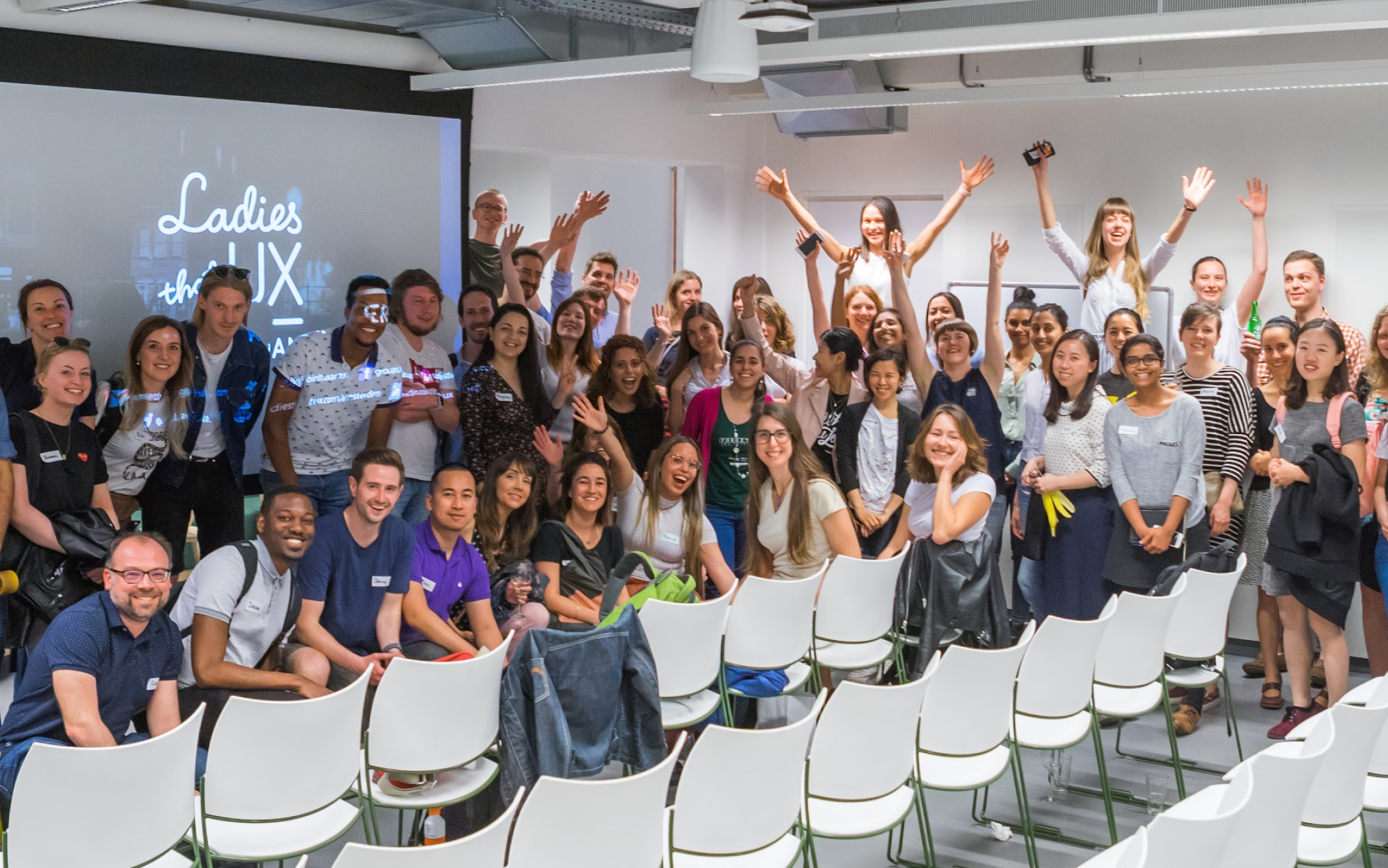
I started organising Ladies that UX Amsterdam in 2017, alongside four other organisers. In 2019, I became Chapter Lead, taking responsibility for the full non-profit organisation and leading five other team members.
As the chapter grew, I helped shape the local strategy by choosing themes, designing activities and deciding what the Amsterdam community needed next. The challenge was to bring a clear point of view while leaving enough openness for the community to make the programme its own.
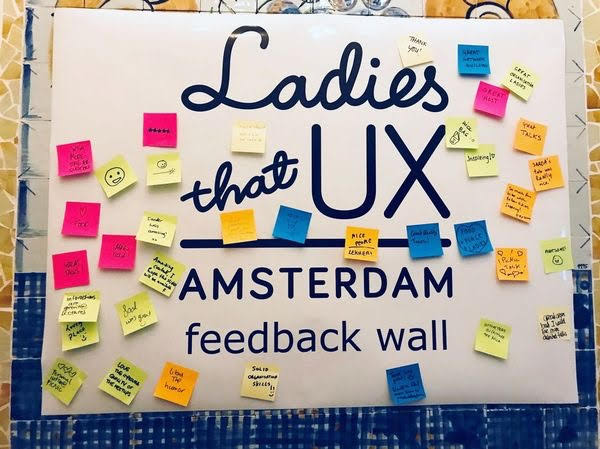
That meant curating practical, relevant conversations rather than creating events for their own sake. Each gathering was designed to help people learn, meet peers and feel comfortable contributing.
Curate with intention
A strong community experience starts with a thoughtful reason to come together—and a format that makes belonging feel natural.
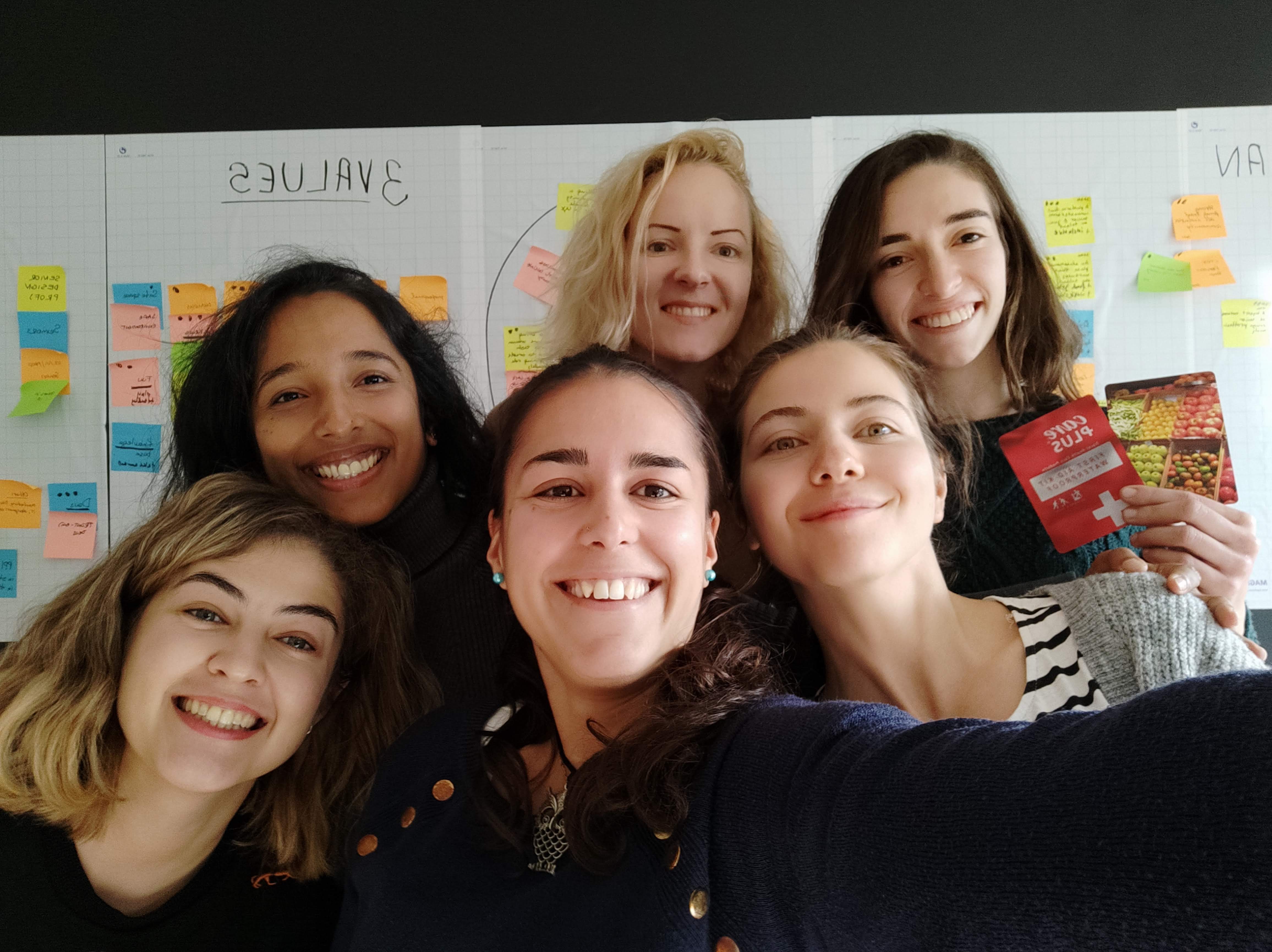
The organisers group changed over the years, but we always kept the same spirit: a tight-knit group of women dedicated to creating exciting events for Amsterdam’s tech community.
Whenever possible, we met in person to plan events over drinks or dinner, then kept the momentum going remotely between meetups.
2. Make the work happen
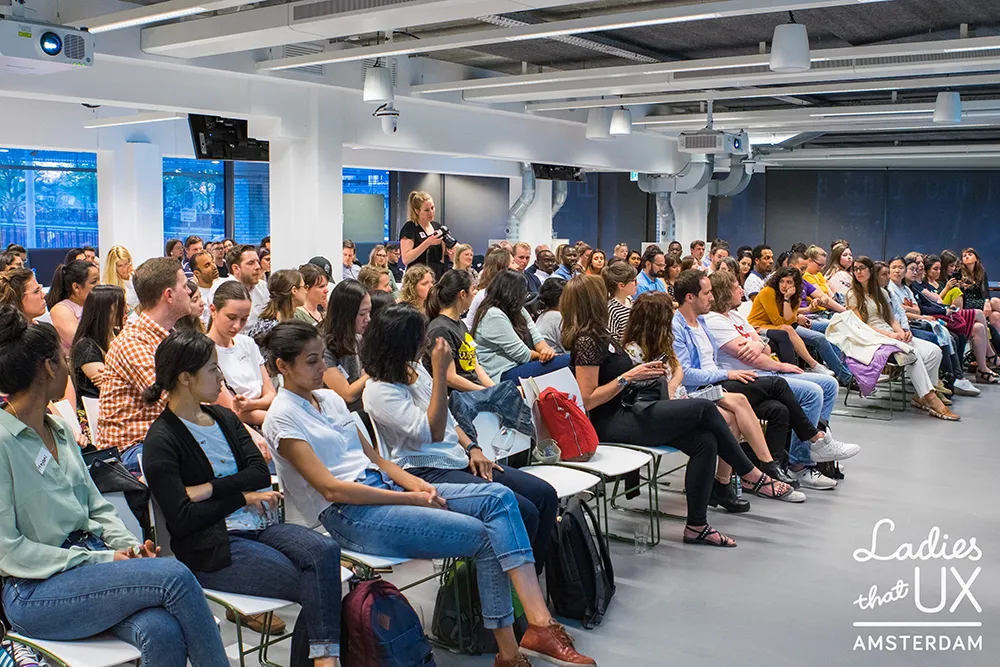
Community leadership was both strategic and hands-on. I negotiated venues, invited speakers, hosted local meetups and coached speakers on their talks.
The work combined operational follow-through with the people leadership needed to help others show up at their best. I gave speakers and volunteers enough structure, context and support to do excellent work while keeping the experience warm and human.
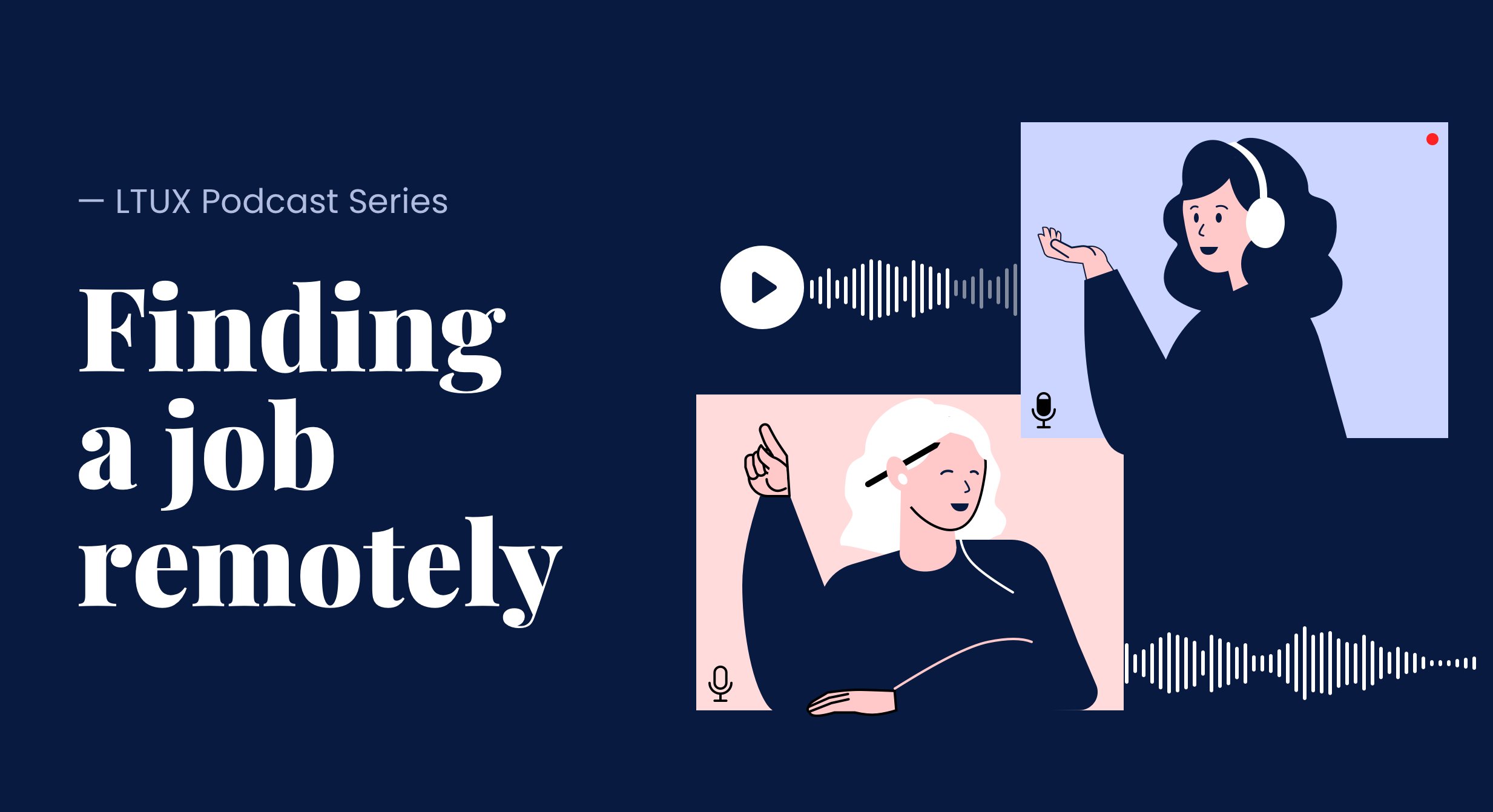
When COVID-19 made in-person events impossible, we had to reinvent how we built connection. We moved to fully remote events, launched a podcast and shifted our content to help tech professionals navigate the challenges of the new remote job market.
Leadership through enablement
The goal was never to be the only person making things happen. It was to make it easier for more people to contribute confidently.
3. Build a programme people return for
We created the Mentorship Programme in 2018. The first edition brought together 60 participants, matching mentees and mentors based on their interests and career goals. It was a completely free, three-month programme designed to make support and connection more accessible to people entering or growing in UX.
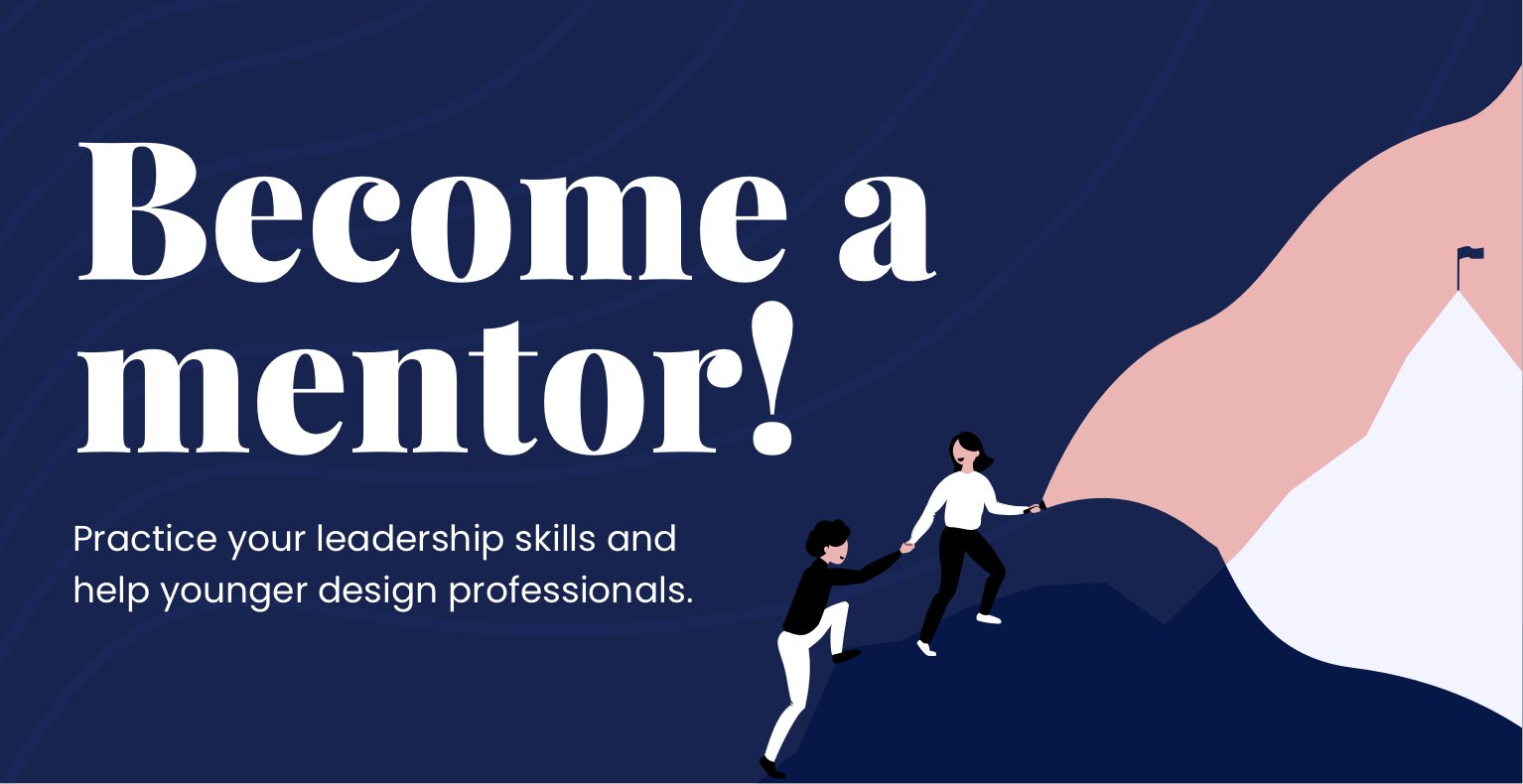
Over more than five editions, participation grew to an average of 150 people, with a waitlist—especially for mentees. That growing demand reflected the increasing interest in becoming a Product Designer and building a career in tech.
The programme evolved with the community and the world around it. It began as an in-person experience, moved fully remote during the pandemic and later became a hybrid programme. Each change required us to rethink how we created connection, structure and momentum across different formats.
Agata, one of the former organisers, captured the experience of organising the programme in this Medium article.
I also took part in the programme several times, both as a mentee and as a mentor. Those experiences introduced me to amazing people and taught me a great deal about the value of peer support. After the pandemic, I wrote about my first experience of working remotely in this reflection on Medium.
What sustained demand showed
What I carried forward
Ladies that UX Amsterdam showed me that leadership extends well beyond a reporting line. It can mean setting strategy, coordinating stakeholders, coaching people, creating repeatable programmes and building a community that continues to create value for its members.
The thread across the work was the same one I bring to product teams: create clarity, make the next step easier and help people take more ownership.